-
Klarus Testimonials: Real Results from Freelancers and Teams
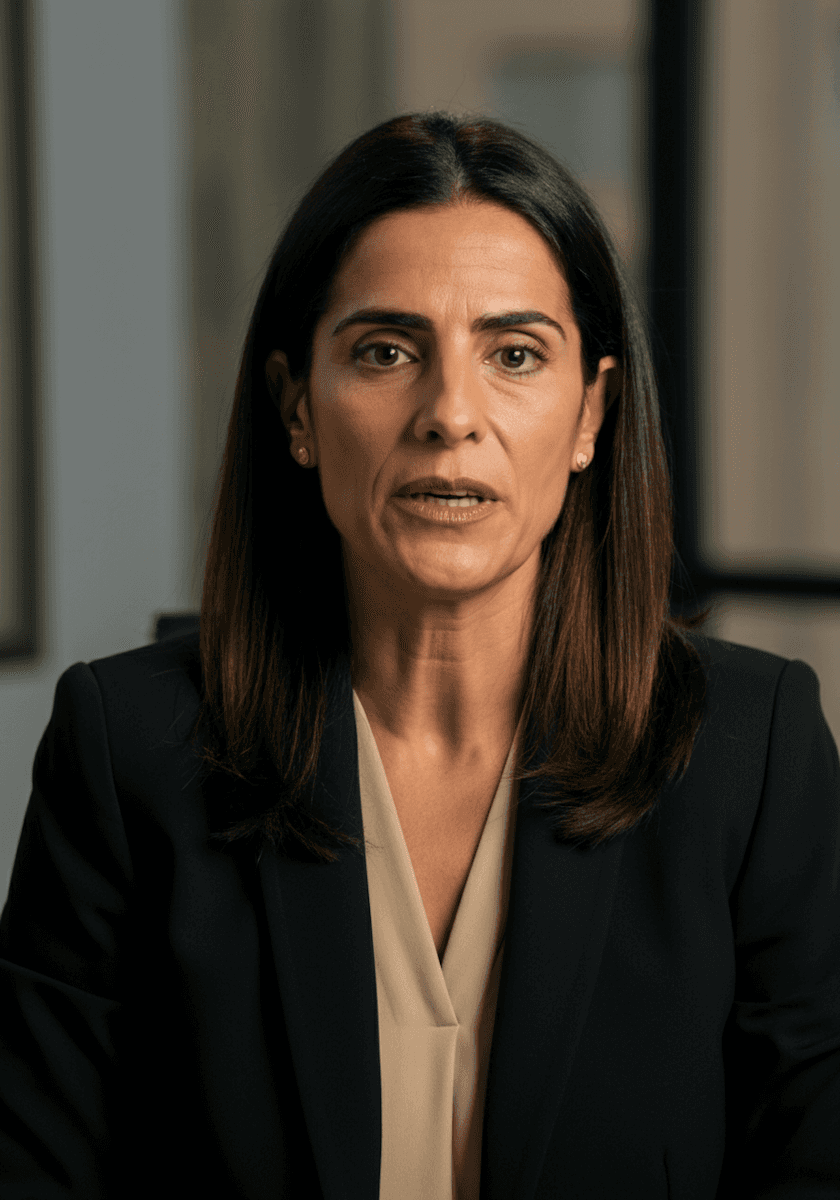
Ananya Mehta
Research

Klarus is gaining attention because it solves a problem that almost every freelancer and team already knows too well: meetings create momentum, but the follow-up process often creates confusion. Notes get buried, action items get forgotten, and files end up scattered across different tools. Klarus helps close that gap by turning conversations into usable briefs, organized highlights, and structured project context.
Why freelancers trust it
For freelance UX and product designers, the biggest value often comes from clarity. Client calls can move quickly, with feedback, revisions, business goals, and technical constraints all discussed in a short span. Instead of manually translating those conversations into a clean summary later, Klarus helps turn messy discussions into structured briefs that are easier to share, easier to review, and easier for clients to trust.
That shift matters more than it first appears. A polished brief makes you look more organized, more strategic, and more reliable. For independent designers managing multiple clients at once, that kind of consistency strengthens both delivery quality and professional reputation.
For many freelancers, Klarus does not just save time — it makes their process feel sharper, calmer, and more client-ready.
What founders and PMs gain
Founders often need fast alignment after conversations that include product direction, priorities, and team responsibilities. Klarus reduces the time spent replaying discussions or checking who agreed to what. Instead of leaving meetings with vague memory and scattered notes, teams leave with a clearer picture of next steps.
Product managers see a similar advantage. When actions are captured properly, execution becomes smoother. Teams spend less time clarifying decisions in chat threads and more time actually moving projects forward. That reliability is one reason Klarus stands out against tools that focus mostly on transcripts without giving teams a stronger system for organizing outcomes.
Better for creative teams
Creative directors and operations leads often face a different challenge: information overload. Assets live in one place, meeting notes in another, approvals in a third, and internal discussions somewhere else entirely. Klarus helps reduce that fragmentation by bringing briefs, highlights, and project context closer together.
For operations teams, privacy and collaboration need to coexist. Internal planning, client-facing documentation, and cross-functional work cannot all sit in the same messy layer. Klarus supports that balance by helping teams share what matters while maintaining cleaner boundaries between different types of work.
Why this matters now
The broader shift in 2025-style workflows is clear: teams want fewer disconnected tools and more systems that combine capture, organization, and action. Klarus fits that direction well because it does more than summarize meetings. It supports a more complete workflow where teams can move from conversation to decision to execution with less manual effort.
That is why the feedback is consistent across different roles. Freelancers value the professionalism, founders value the alignment, PMs value the accountability, and creative teams value the organization. Together, those results make Klarus feel less like a meeting add-on and more like a core operating layer for modern work.